


Industrial fans: maximum efficiency and energy savings
Magnovent industrial fans are designed to improve energy efficiency and provide optimal thermal comfort for users. In this way, large industrial fans contribute to energy savings and help create a more sustainable environment.
Using industrial fans helps generate a gentle breeze and improve energy efficiency in enclosed buildings with air conditioning. Industrial ceiling fans can be used in any large building to reduce energy bills and contribute to a more sustainable environment for everyone by lowering CO₂ emissions. In addition, industrial fans can help solve issues related to particle concentration in the air, odors, and humidity.
Types of industrial fans available at Magnovent
We offer a wide range of large industrial fans with different functionalities to meet the specific needs of all our clients.
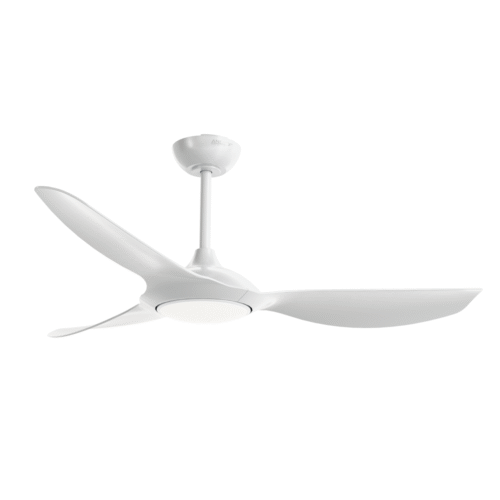
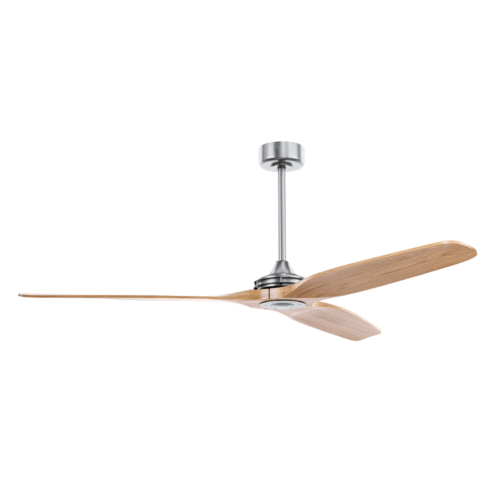
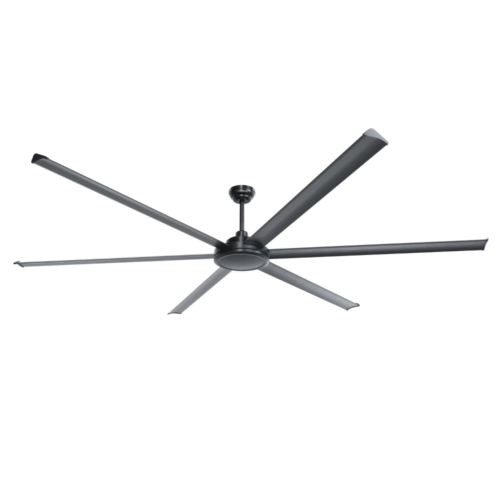
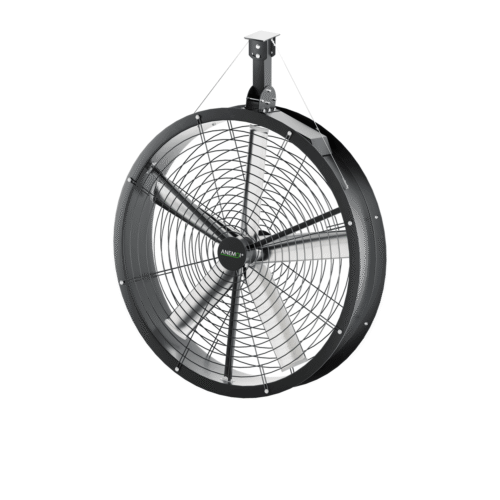
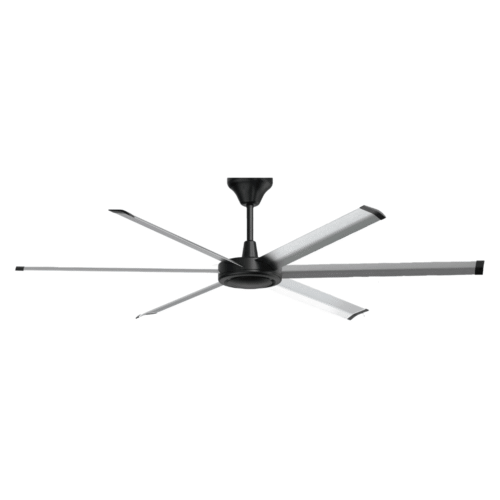
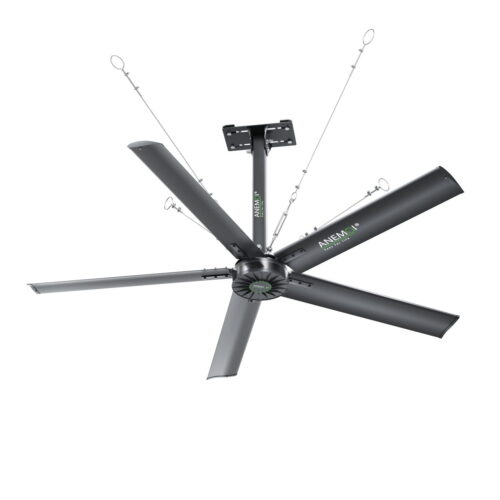
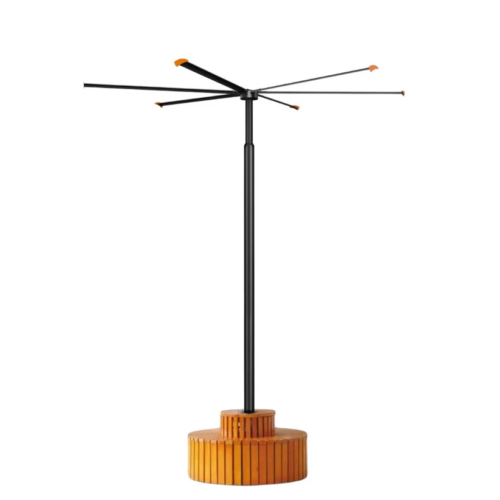
HVLS industrial ceiling fans
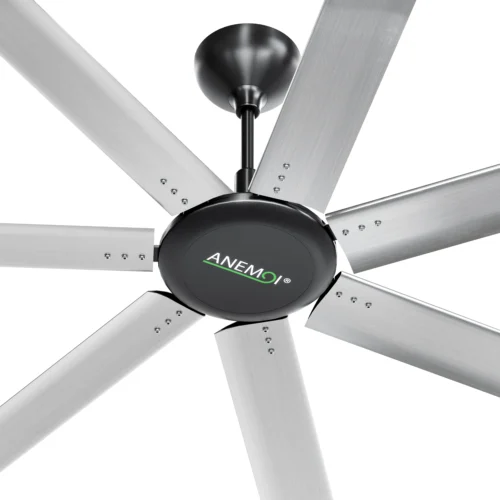
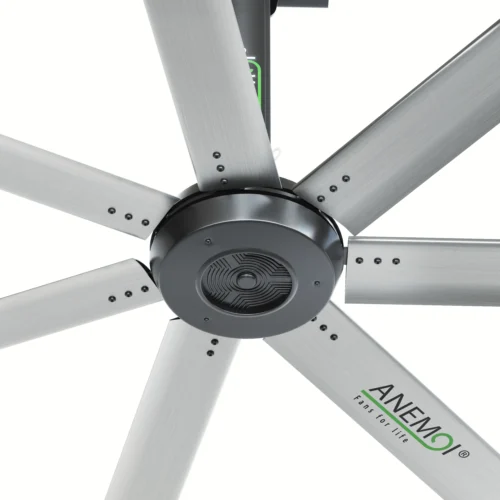
Large industrial ceiling fans ranging from 1.5 m to 7.3 m in diameter,
installed at heights from 3 to 35 meters, covering up to 1,800 m².
These fans are ideal for industries, warehouses, high-ceiling buildings, logistics centers, shopping centers, stations, airports, sports facilities, hotels, restaurants, and offices.
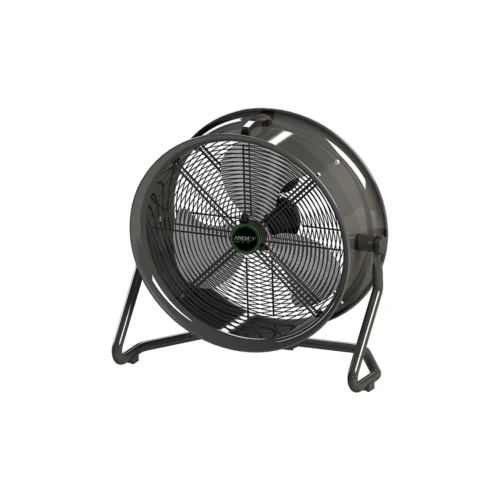
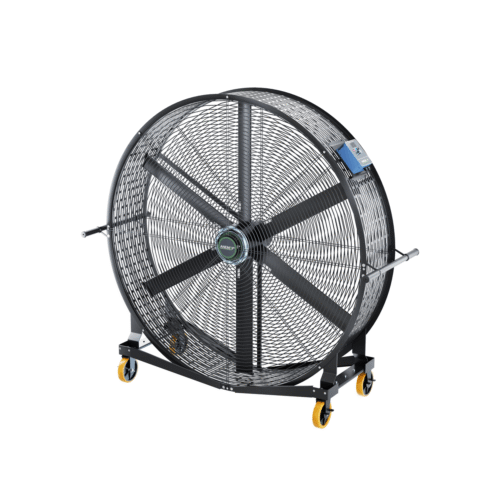
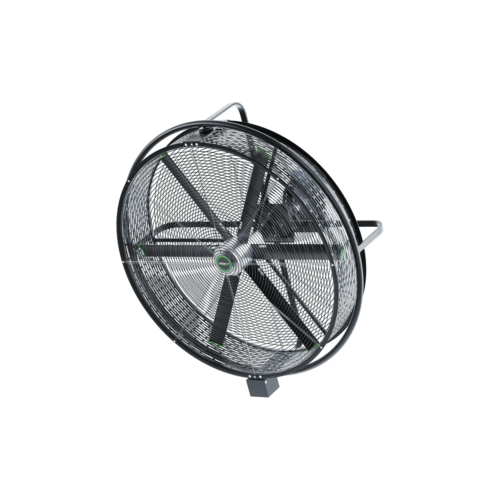
Portable fans
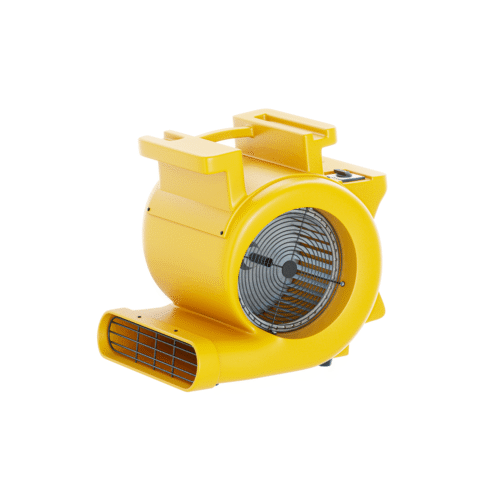
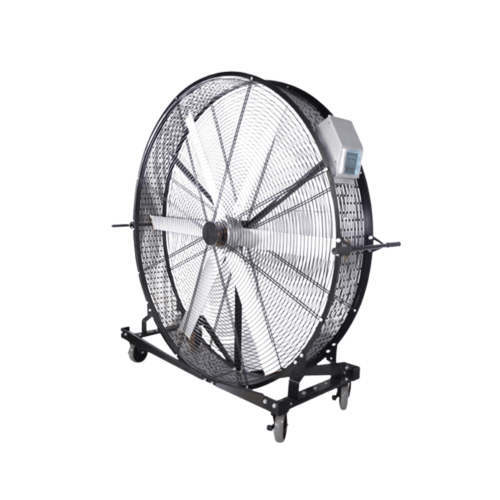
Large portable industrial fans are plug-and-play units that are easy to use, with diameters of up to 2 meters. They are ideal for dynamic spaces, sports centers, outdoor activities, event spaces, and work areas.
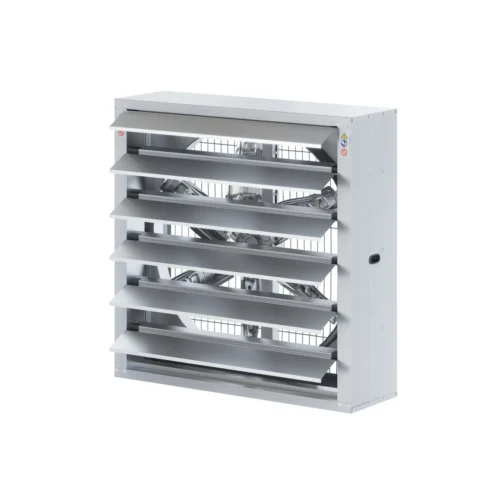
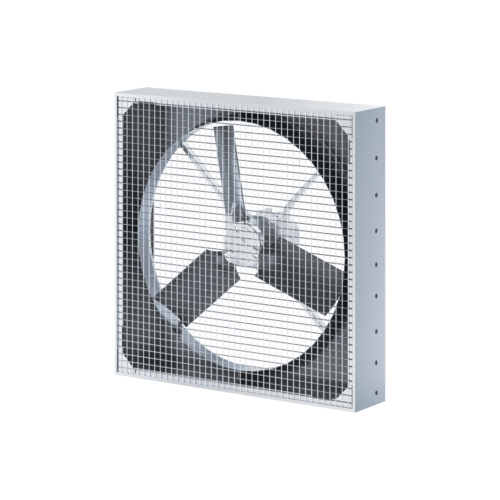
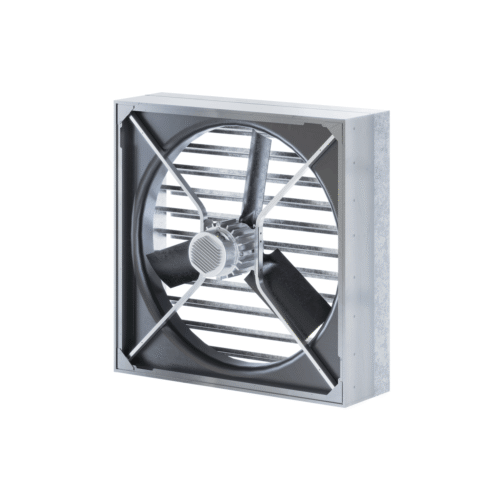
Directional and wall-mounted industrial fans and air extractors
Directional industrial fans and wall-mounted air extractors focus airflow directly on specific areas or are used to renew indoor air.
Wall-mounted directional fans and extractors are ideal for industries, warehouses, logistics centers, sports facilities, and commercial spaces.
Industrial fans for year-round use
Industrial fans are a key element for large spaces. They help maintain indoor areas between 14°C and 25°C throughout the year, improving thermal efficiency and reducing heating and air conditioning consumption. In addition, they help provide a better working environment for operators and improve productivity.
In summer, industrial fans reduce temperature and improve air circulation, lowering air conditioning costs. In winter, with reverse mode, they push warm air from the ceiling downward, taking advantage of accumulated heat to improve thermal comfort and reduce heating usage.
A perfect solution to maintain thermal comfort all year round and reduce thermal stratification in work areas.
Why install industrial fans?
Industrial fans are essential to improve climate control in warehouses and large spaces, both in winter and summer. They can also be combined with other systems and measures to achieve optimal climate conditions.
- Energy savings: They significantly reduce energy consumption, contributing to environmental sustainability and lowering business costs.
- Covers large areas: A single industrial fan can cover very large surfaces, optimizing investment in climate control and reducing environmental impact.
- Thermal comfort: Provides a constant and uniform breeze that improves indoor thermal sensation without requiring high costs or complex installations.
- Clean and healthy air: Continuous air movement prevents particle accumulation, reduces humidity, and minimizes odors.
- Full control: With MagnoHub, our cloud-based management platform, you can control industrial fans in real time, anytime and from anywhere.
Industrial fans are increasingly in demand to optimize indoor temperature, reduce costs, and contribute to the health and well-being of workers, reducing dependence on other climate control systems such as air conditioning or heating.
Magnovent: pioneers in industrial ceiling fans
Magnovent was a pioneer in introducing HVLS industrial ceiling fans in Europe, and its portfolio has progressively expanded to include several models of large directional fans to cover all customer needs. Our large industrial fans are designed to meet the needs of clients in any sector, from farms or small warehouses to large spaces such as logistics centers, factories, airports, and stations.
