
Optimize thermal comfort and reduce energy consumption through passive solutions.
Bioclimatic architecture: efficient solutions for large industrial spaces
Bioclimatic architecture solutions for industrial buildings
Bioclimatic architecture combines various passive strategies to improve the thermal performance of buildings. These strategies are also ideal for reducing energy demand. The combination of several bioclimatic solutions tailored to each facility allows for the creation of more efficient, comfortable, and sustainable spaces.
The choice of each solution will depend on various factors. The building’s orientation, the type of activity carried out, climatic conditions, and the specific ventilation, heating, or insulation needs of each facility are key. These systems help optimize thermal comfort, improve indoor air quality and reduce reliance on conventional HVAC systems.
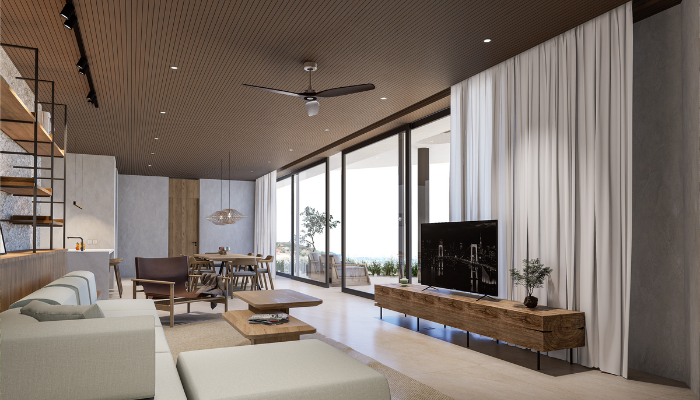
What is bioclimatic architecture?
Bioclimatic architecture has become the best solution for reducing environmental impact and increasing energy efficiency and thermal comfort in large buildings, industrial facilities, and other large structures such as logistics warehouses, shopping centers, and offices. At Magnovent, we offer advanced solutions that harness natural resources—such as industrial ventilation, thermal insulation, and solar heating—to maximize the comfort and sustainability of buildings.
Bioclimatic architecture focuses on designing buildings that make intelligent use of the local climate to provide thermal comfort, using environmental resources intelligently and achieving visual integration with the natural environment. Although it may sound novel, this approach is not entirely new: traditional architecture has always considered climatic conditions, as can be seen in roofs or windows adapted to different regions and countries.
Advantages of bioclimatic architecture
The implementation of bioclimatic strategies provides energy, environmental, and comfort benefits to both companies and the users of large buildings and industrial facilities. Furthermore, bioclimatic architecture not only reduces energy consumption but also helps design buildings that are better suited to current and future needs.
Bioclimatic architecture offers benefits such as:

Adaptation to climatic condition
Bioclimatic architecture takes advantage of a building’s orientation, climate, and use to optimize its thermal performance and maintain more stable indoor conditions.

Greater durability of systems
Reducing exposure to heat, humidity and temperature fluctuations helps lower energy consumption, protect the building’s structure year-round, reduce maintenance needs and extend the useful life of its systems.

More sustainable buildings
Bioclimatic strategies help meet energy regulations by adapting buildings to increasingly stringent energy standards. They also serve to optimize resource use and increase the building’s long-term value.

Greater well-being and quality of life
Better ventilation, good lighting, and more balanced thermal conditions promote spaces that are healthier, more comfortable, and better suited to people’s needs. Ideal for improving well-being, comfort and productivity.
The principles of bioclimatic architecture
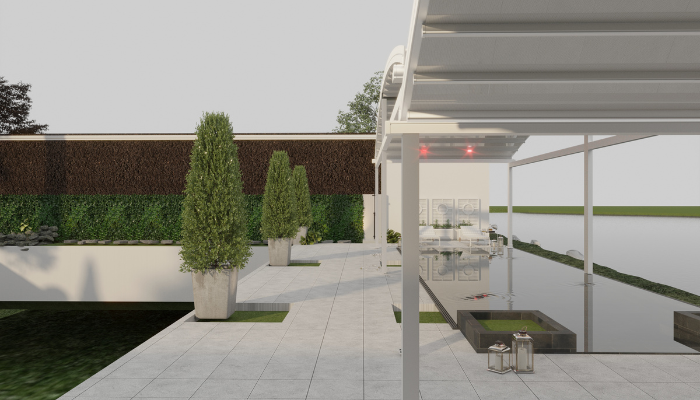
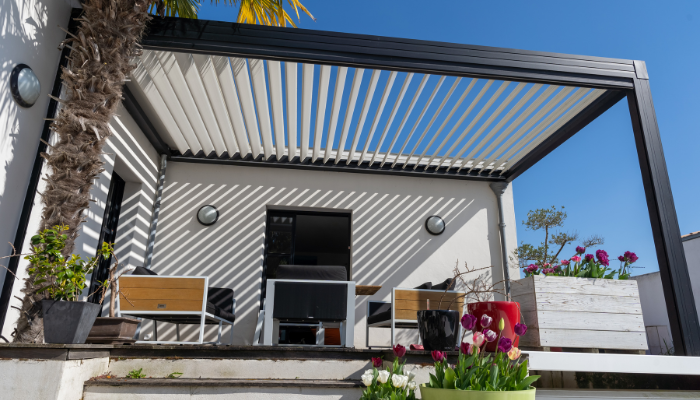
Solar gain and shading
The facades of buildings and factories can incorporate solar-collecting surfaces to maximize solar energy for heating purposes. This protects the spaces from excessive radiation in the summer through the use of eaves or louvers.
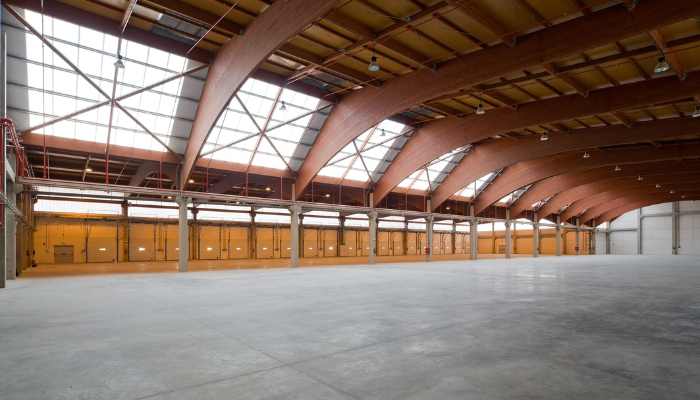
Natural cross ventilation
In industrial buildings or large warehouses, natural ventilation reduces the need for mechanical cooling systems. It is ideal for promoting air circulation, removing accumulated heat, and improving indoor air quality.

Thermal inertia regulation
Uses materials with high thermal inertia to regulate indoor temperatures in industrial plants, warehouses, offices, and other large buildings. These materials gradually absorb and release heat, reducing sudden temperature fluctuations.
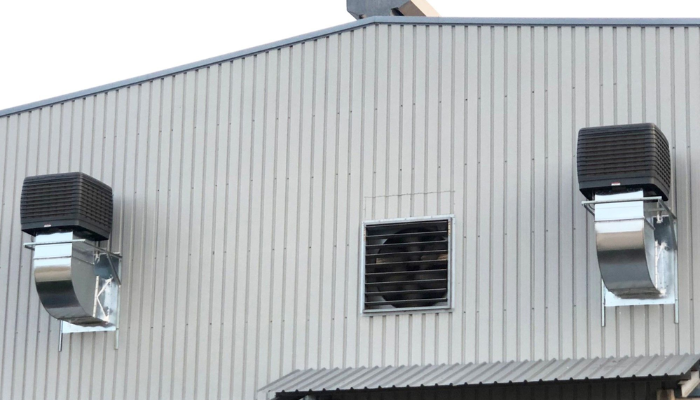
Air tightness and controlled ventilation
Proper air tightness prevents unnecessary energy loss, while ventilation systems allow for controlled renewal of indoor air, optimizing the building’s energy efficiency and overall indoor environmental quality.
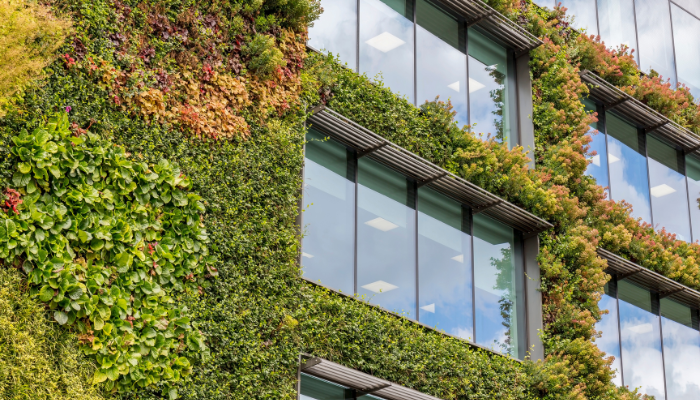
Industrial thermal insulation
Properly insulate the structure to reduce the need for cooling and heating systems. This solution is designed to minimize heat loss year-round and prevent moisture condensation in the building.
Harnessing the Greenhouse Effect
It uses solar radiation in patios or windows to passively heat the space during the colder months. Its effectiveness increases with proper building orientation and helps improve the indoor temperature.
Bioclimatic architecture in buildings and industries
Bioclimatic architecture offers various advantages for integrating the natural environment into architecture. Its principles can be applied during the design of a building or through solutions that improve the thermal performance of existing structures.
For construction companies, users and environmental conservation alike, bioclimatic architecture offers advantages such as:
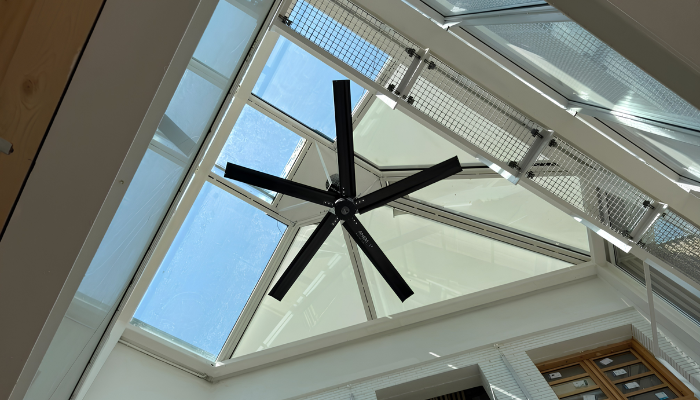
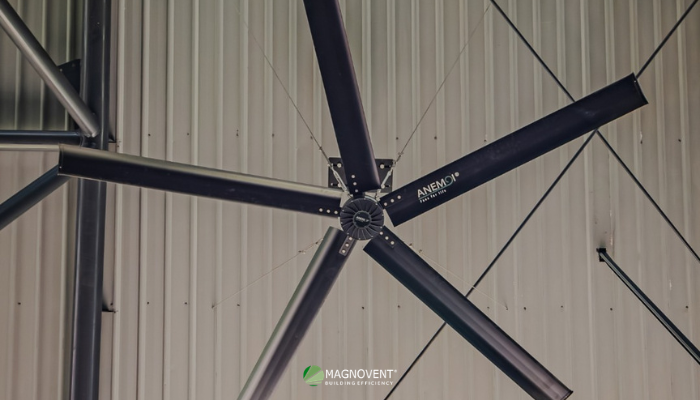
- Fans: HVLS industrial fans are designed to move a large volume of air, simulating a natural breeze that favours thermal comfort. In addition, we combine them with bidirectional extractors that allow air to be renewed quickly, reducing the need to implement air-conditioning systems.
- Thermal insulation: the application of thermal insulation paint offers the best solution for reflecting the sun’s rays, preventing heat radiation towards the interior of the building and can keep the heat inside large buildings and industrial buildings. It also prevents moisture buildup on surfaces. In addition, our thermal insulation paint is designed to reduce heat gain in the summer and help maintain indoor temperatures during the winter.
- Solar heating: is the most efficient way to implement in industrial buildings or large premises to increase the comfort of customers and workers. Solar heating allows hot air to be introduced without wasting energy or generating CO₂, as well as creating an insulating barrier against the possible entry of cold through the facades. You might also check out radiant heating.
Where to apply bioclimatic architecture?
Bioclimatic strategies can be adapted to different types of buildings and facilities, improving their indoor conditions and making more efficient use of available natural resources. Here are some of the main applications of bioclimatic architecture:
Bioclimatic architecture helps maintain a stable indoor temperature in industrial buildings, reducing the need for mechanical climate control, optimizing energy efficiency, and improving thermal comfort throughout the facility and, consequently, working conditions and the well-being of workers.
Applying bioclimatic principles in offices and homes promotes healthier and more comfortable spaces, improving occupants’ well-being and helping to reduce energy consumption. It is ideal for maintaining a more stable indoor temperature throughout the year and contributes to greater daily well-being.
Bioclimatic design helps optimize ventilation and thermal control in logistics centers, protecting sensitive goods and reducing energy consumption. It also improves working conditions for employees and promotes more efficient operation of warehouse facilities. This helps maintain more consistent indoor conditions.
In large retail spaces, bioclimatic solutions improve thermal comfort for customers and employees while reducing operating costs. The use of passive systems also helps maintain a more uniform temperature in large retail areas and high-traffic zones. A more comfortable environment can also contribute to a better shopping experience.
Bioclimatic architecture improves thermal comfort and air quality in sports arenas, gyms, indoor pools, and other high-traffic spaces. Combining passive solutions helps maintain more stable conditions year-round, enhancing the experience for users and athletes. Ideal for promoting greater comfort during sports activities.
In automotive centers, auto repair shops, dealerships and manufacturing plants, bioclimatic solutions help optimize ventilation, improve thermal comfort and reduce energy consumption. They also create more efficient spaces for workers, vehicles, and industrial processes. It promote more efficient operation of these facilities.
Why is bioclimatic architecture important?
Bioclimatic architecture makes the most of natural resources to create more efficient, sustainable, and comfortable buildings. The use of passive solutions helps reduce energy consumption, improve indoor conditions and lessen the environmental impact of large buildings and industrial facilities.
Here are some of the key areas where bioclimatic architecture can make a difference in industrial buildings:

It reduces energy demand and optimizes the performance of large facilities through solutions designed to improve efficiency.

Maintain more comfortable indoor conditions year-round with solutions tailored to the needs of each building. Create more pleasant workspaces.

It reduces energy consumption, lowers the carbon footprint, and contributes to more sustainable operations through bioclimatic solutions.

It helps prevent condensation, regulate humidity, and protects facilities, products and production processes. It helps improve the maintenance of equipment.

Optimize drying, ventilation and other environmental conditions to increase productivity and improve the performance of your industrial processes every day.
Why choose Magnovent to implement bioclimatic architecture solutions?
At Magnovent, we analyze the characteristics of each building or industrial facility to propose solutions tailored to its thermal, energy, and operational needs. Our approach is based on the following key principles:
- Specialized technical consulting: We study the conditions of each space. Our goal is to identify the most appropriate solutions for industrial ventilation, thermal insulation, and solar heating for each client.
- Solutions tailored to each facility: Every space—whether an industrial plant, a warehouse, or an office—has different needs. That’s why we design proposals that take into account factors such as floor area, activity, orientation, climate, and indoor conditions.
- Integration with smart control systems: Our solutions can be complemented by smart control systems that automate ventilation, heating, or insulation based on environmental conditions.
- Improved energy efficiency: Our bioclimatic solutions are designed to reduce reliance on conventional HVAC systems. They are also designed to optimize a building’s thermal performance.
- Experience with large industrial spaces: We have completed numerous projects where energy efficiency and thermal comfort are essential. We are prepared to implement bioclimatic architectural systems specifically tailored for industrial facilities, logistics warehouses, shopping centers, and other large spaces.
- Support throughout the project: We advise you from the initial analysis through the selection process. We then handle the implementation, ensuring a solution that aligns with the actual needs of each facility.
Request a consultation to improve your building’s efficiency
Our technical team will analyze the needs of your facility to recommend the most appropriate solution and help you reduce energy consumption, improve thermal comfort, and increase the efficiency of your building or industrial facility.
Contact our team and request a consultation today at Magnovent. Discover the potential of bioclimatic architecture for your facilities with the help of leading experts.
Would you like to implement bioclimatic solutions in your building or industrial facility?
Our technical team can advise you with no obligation.
