
Understanding what is thermal comfort is and the factors that affect it is essential when it comes to ensuring healthy and efficient spaces, both indoors and outdoors. That’s why, in this article, we’ll explore what is thermal comfort, the factors that influence it, and how it’s evaluated in order to optimize it both indoors and outdoors.
What is thermal comfort?
Thermal comfort refers to the well-being people experience when the ambient temperature is properly adjusted. To achieve optimal thermal comfort, the human body requires an adequate heat exchange with its surroundings, avoiding overheating or chilling. Otherwise, people may experience discomfort, fatigue, thermal stress, or other adverse health effects.
Thermal comfort not only includes air temperature but also depends on humidity, air velocity, and the temperature of surrounding surfaces.For this reason, thermal comfort is now a key part of building construction and outdoor space planning.
Which factors influence thermal comfort?
To understand what is thermal comfort, it’s important to consider the various determining factors that directly contribute to it:
Air temperature
This is the main factor to consider when seeking thermal comfort in a space. It refers to the subjective perception of environmental heat or cold and has a significant impact on thermal well-being. The temperature should be properly regulated to avoid discomfort among building occupants.
Air velocity
Air movement can change thermal perception, cool warmer environments, or intensify the sensation of cold in cooler settings.
Humidity
The amount of water vapor in surface air directly affects the body’s ability to sweat and regulate its temperature. Humidity can cause discomfort and affect health at both excessively high and low levels.
Radiant temperature
The heat emitted from building surfaces such as walls, ceilings, or windows can alter thermal perception.
Physical activity level
The heat generated by the body increases with physical activity, so thermal perception may vary and require appropriate adjustments in the environment. That’s why in sports centers, it’s useful to implement systems like air destratifiers that regulate ambient temperature, especially by balancing the heat accumulated at the ceiling level with the cooler temperature below.
How is thermal comfort evaluated in a space?
To assess thermal comfort, it’s important to consider indexes such as PMV (Predicted Mean Vote) and PPD (Predicted Percentage of Dissatisfied).
The Predicted Percentage of Dissatisfied (PPD) is a quantitative prediction of the percentage of people who feel uncomfortable in a building due to feeling too hot or too cold. On the other hand, the Predicted Mean Vote (PMV) is the average value of thermal sensation votes from a group of people exposed to the same environment.
Both methods help measure people’s thermal satisfaction in a specific space so that improvements can be implemented to ensure optimalthermal comfort.
How can you increase thermal comfort indoors? And outdoors?
Knowing what is thermal comfort becomes essential to understanding how to improve it, whether in a home or in your business. To improve indoor thermal comfort, it’s important to install efficient HVAC systems and enhance them with additional ventilation systems and materials such as thermal insulation.
To increase thermal comfort in a home or office, ceiling fans will provide better air circulation and improve thermal sensation year-round. During warmer months, ceiling fans help reduce temperature and provide a pleasant thermal feeling. In colder months, ceiling fans can unify the temperature by redistributing heat accumulated at the ceiling, creating greater thermal comfort.
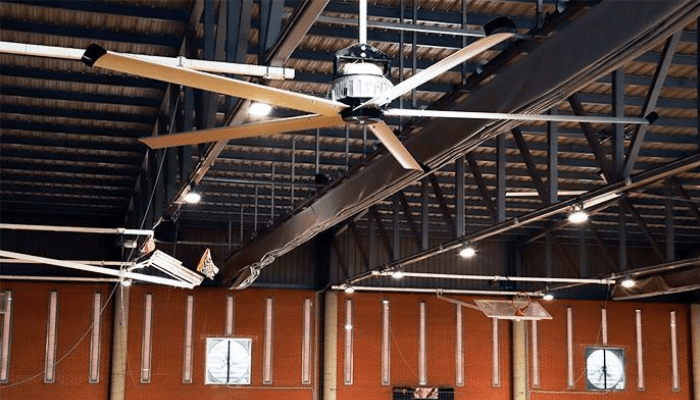
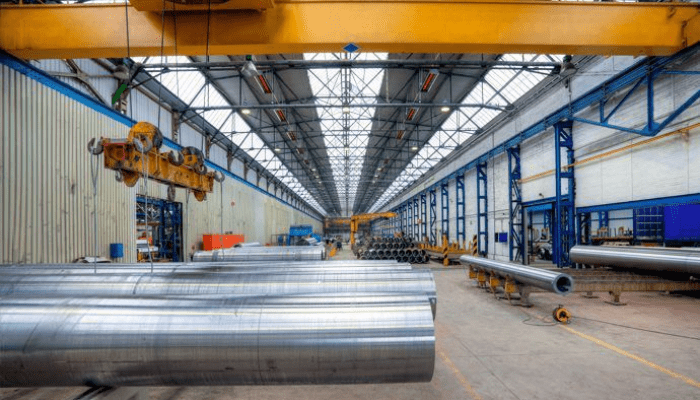
In large buildings such as warehouses, shopping centers, industrial facilities, etc., achieving thermal comfort is essential to ensure worker productivity and user well-being. At Magnovent, we offer HVLS industrial fans that enhance thermal comfort in any large-scale building.
Additionally, using systems like Magnovent’s thermal insulation becomes an effective solution to retain indoor heat during the colder months and keep spaces cool during warmer seasons by reflecting up to 95% of infrared rays. Thermal insulation also acts as anti-condensation paint, helping prevent moisture buildup on surfaces.
To improve thermal comfort outdoors, at Magnovent we offer portable industrial fans such as the Airvan portable industrial fan and the Airwagon outdoor portable fan. The Airvan portable industrial fan is ideal for increasing comfort in spaces where traditional ventilation or air conditioning systems are not required. Thanks to its off-road wheels, it can be easily transported across uneven or sloped terrain. The Airwagon outdoor portable fan is also easy to transport and can be used outside, even in the rain.
However, to increase thermal comfort outdoors during the winter months, we offer radiant panels such as the DSR LSD ceramic radiant panel and the premium DSR ceramic radiant panel. Both models can heat all types of open areas or small indoor spaces with easy wall installation, using radiant heating technology that targets specific areas and avoids heat loss.
