

In a context where sustainability, regulation, and energy costs make all the difference, learning how to reduce energy consumption in your company isn’t an option: it’s essential. At Magnovent, we help our clients make this possible thru an energy audit.
In a context where sustainability, regulation, and energy costs make all the difference, learning how to reduce energy consumption in your company isn’t an option: it’s essential.
In this article, we’ve prepared a guide that covers everything from energy audits to concrete measures and real-world success stories from Magnovent, helping you save costs, optimize resources, and strengthen your competitiveness.
Why is it critical to reduce energy consumption in your business?
Reducing energy consumption not only improves operational profitability but also contributes to compliance with European and Spanish regulations (such as Royal Decree 56/2016) and helps reduce CO₂ emissions. According to IDAE data, adopting efficient practices could result in energy savings of up to 20–30% for businesses.
Current regulations to reduce energy consumption
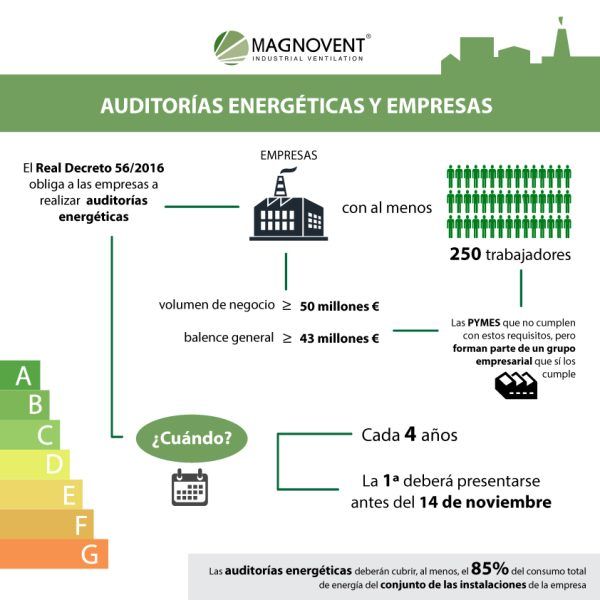
The obligation to adopt measures to reduce energy consumption is underpinned by an increasingly stringent regulatory framework in Spain and the European Union. A key example is Royal Decree 56/2016 of February 12, which transposes the requirements of European Directive 2012/27/EU on energy efficiency. This regulation stipulates that large companies must conduct energy audits or implement an energy management system every four years, covering at least 85% of the building’s or facility’s final energy consumption.
Furthermore, Royal Decree-Law 14/2022 of August 1 includes urgent measures for energy saving and efficiency within the framework of the state’s energy supply and consumption management.
For any company looking to reduce energy consumption, understanding this regulation is essential: not only to ensure legal compliance, but also to turn that compliance into a competitive advantage and real savings.
6 practical tips to reduce energy consumption in your business
To effectively reduce energy consumption in your SME or large company, we propose the following actions:
- Properly configured thermostats: each degree increase in heating or decrease in cooling raises energy consumption by 8–10%.
- Smart lighting: maximize natural light and replace light bulbs with LEDs to reduce energy consumption.
- Turn off devices in standby mode: many appliances consume power even when they’re not in use.
- Efficient climate control: inspect and, if necessary, replace outdated systems to reduce energy consumption and maintenance costs.
- High-efficiency equipment: obsolete technology tends to result in higher energy consumption and lower productivity.
- Study of the existing electrical installation: detecting anomalies that trigger excessive consumption.
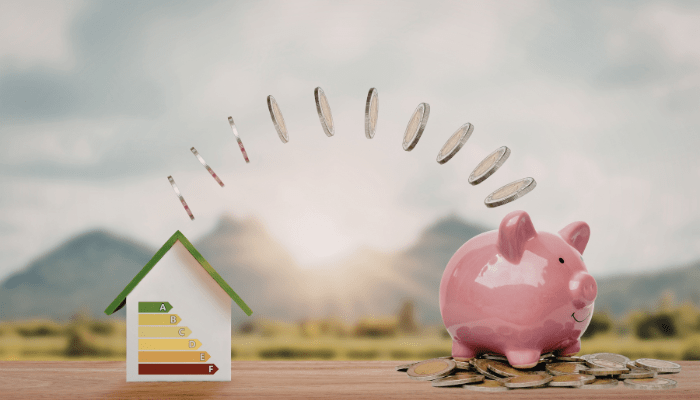
Integration of HVAC solutions: Reduce energy consumption
A significant portion of business energy expenditure comes from air conditioning. To reduce energy consumption, Magnovent proposes solutions such as:
- HVLS ventilation systems to recirculate air at lower cost.
- Low-temperature radiant heating.
- Integration between intelligent energy management systems and sensors like Magnohub.
These solutions, when properly implemented, help reduce energy consumption and improve operational comfort.
Key indicators and how to measure energy savings
To quantify the success of your savings measures, it’s useful to monitor the following indicators:
- kWh for m² per month.
- Maximum demand (kW) and actual hours of use.
- Equipment utilization rate and electricity billing ratio.
- Percentage reduction in consumption after intervention (%)
By regularly measuring these data, you can demonstrate how energy consumption is reduced and investments are optimized.
Energy audits for companies as a basis for reducing energy consumption
Conducting an energy audit is the first strategic step to reduce energy consumption in a company:
- Identify where there are leaks, inefficiencies, or hidden consumption.
- It allows you to plan concrete measures to continuously reduce energy consumption.
- According to the regulations, large companies or groups that meet certain thresholds must conduct energy audits.
At Magnovent, we understand that audits must be accompanied by a genuine culture of savings.
Types of energy audits for businesses: which one does your company need?
To reduce energy consumption, it is essential to start with a proper energy audit. Depending on the level of depth and your company’s objectives, there are different types or levels of audit.
- Level 1 (basic inspection or walk-through): a visual review of HVAC, lighting, building envelope, and energy consumption data. Identify low-cost savings opportunities.
- Level 2 (energy survey and analysis): includes more detailed measurements, analysis of consumption patterns, estimation of savings, and cost-benefit analysis. Ideal for companies that want to reduce energy consumption thru planned measures.
- Level 3 (investment-grade or detailed audit): comprehensive system analysis, simulations, modeling, required investment, and estimated return. It requires a higher cost but allows for maximizing energy reduction.
Selecting the appropriate level allows the company to accurately plan how to implement actions to reduce energy consumption, prioritize investments, and ensure a return.
How to Interpret an Energy Audit Report for Businesses
Once the audit is completed, the report serves as a roadmap for taking action and reducing energy consumption. Understanding its key parts makes decision-making easier:
- Executive summary: current consumption data, estimated savings percentage, implementation cost.
- Consumption analysis: kWh/m², peak demand, operating hours, and where the most energy is used.
- Recommendations for Energy Efficiency Measures (EEMs): listed with estimated savings, cost, ROI, and payback period.
- Priorities and investment plan: low-cost actions first, then major improvements.
- Monitoring and verification: establish how to measure the actual energy reduction afterward.
Learning to interpret this report allows you to turn the audit into real results by reducing energy consumption and preventing it from being just a document that doesn’t translate into action.
Common errors in energy audits for companies
Although conducting an energy audit is a key step in reducing energy consumption, it’s also common for errors to arise that limit its effectiveness:
- Not updating actual consumption data: using outdated data can lead to incorrect estimates and ineffective measures.
- Ignoring the human factor and energy-use habits: without changing users’ behavior, many technical improvements fail to reach their full potential.
- Implementing only low-cost measures without planning for larger investments: can limit the impact and prolong the payback period.
- Failure to establish clear monitoring criteria: without defined metrics and objectives, it is difficult to demonstrate that energy consumption has been reduced.
- Choosing a provider that only delivers the report and doesn’t support its implementation: without technical assistance and follow-up, the audit may end up as a document with no results.
Steps to implement the action plan following an energy audit for companies
An energy audit only provides real value if it translates into concrete, measurable actions. After identifying critical points and opportunities for improvement, it is essential to implement a structured plan that enables effective energy consumption reduction.
These are the key steps to achieve your energy efficiency and energy savings goals:
- Designate responsible parties and a technical team: Assign a team responsible for implementing and overseeing each of the proposed measures, ensuring commitment and continuous monitoring.
- Establish a schedule of actions: Prioritize actions based on their impact, cost, and ease of implementation. Some, such as adjusting thermostats or automatically shutting off equipment, can be implemented immediately.
- Budget the necessary investments: Determine which measures require investment (such as HVAC system upgrades or the installation of HVLS fans) and seek funding if necessary.
- Measure results and adjust in real time: Establish monitoring indicators (kWh consumed, savings in euros, return on investment) to analyze the real impact of each action.
- Communicate progress internally: Inform the team about the objectives, achievements, and benefits of the energy efficiency plan, fostering a sustainable organizational culture.
Key post-energy audit monitoring indicators
After implementing the recommended measures, it is essential to measure their impact to ensure that energy consumption has indeed been reduced. Some key indicators:
- kWh consumed per m² per year or month: allows normalizing consumption and comparing it to industry standards.
- Maximum demand (kW): if the peak demand is reduced, the energy cost is also reduced.
- Operating time of critical equipment (hours of use): less use or optimized use typically translates to lower consumption.
- Actual reduction percentage (%) compared to the baseline period: measures the success of the action plan.
- Energy cost (€) per unit of production or per employe: useful for linking efficiency to productivity.
Using these indicators allows for continuous adjustments, demonstrates real returns, and keeps us moving forward to reduce energy consumption sustainably.
At Magnovent, we help our clients implement this plan with technical support, assistance during execution, and the integration of smart climate control solutions. Thus, the audit doesn’t just end with a report; it translates into real savings and efficiency.
Why choose Magnovent to conduct an energy audit and reduce energy consumption?
Magnovent supports you throughout the entire process to reduce energy consumption and achieve tangible results. This is what sets us apart from the competition:
- Comprehensive turnkey methodology: from energy audit and solution design to CFD simulation, installation, commissioning, and maintenance.
- Coverage throughout Spain and Europe: with multiple offices across Europe and experience in complex installations tailored to European and local regulations.
- Technological innovation: HVLS fans, radiant heating, thermal insulation, and home automation systems that maximize energy efficiency.
- Personalized energy audit with Magnovent: we conduct comprehensive energy audits in accordance with RD 56/2016 to identify savings and optimization opportunities for every type of installation.
- Orientation toward quantifiable results: our data show that energy consumption can be reduced by up to 30–35% in many facilities.
- Technical service and ongoing support: we not only sell the equipment, but also guaranty its performance over time.
With Magnovent, reducing energy consumption is no longer just a wish; it becomes a real strategy for savings, comfort, and sustainability.
Real-life Magnovent success stories: Reduce energy consumption with results.
At Magnovent, we have facilities that demonstrate how energy consumption can be reduced very significantly:
- Valencia City of Justice (Valencia): installation of eight 7.30 m diameter HVLS fans in a 30 m high warehouse, resulting in up to 45% savings on heating.
- Alicante Airport (Spain): project listed in the Magnovent catalog for HVLS fans integrated into the airport, contributing to reduced air conditioning energy consumption.
And many more Magnovent projects show that reducing energy consumption isn’t just a promise, but a reality applicable to large industrial, logistics, or service facilities.

Take the leap and reduce your energy bill with Magnovent.
Reducing energy consumption in your company is much more than a technical optimization: it’s an investment in competitiveness, the environment, and well-being. From energy audits to operational measures and cutting-edge technology, every step counts. At Magnovent, we’re ready to help you turn that goal into real results. Ready to save money and reduce energy consumption? Contact our team of professionals and take the first step toward a more efficient, profitable, and sustainable business.
Frequently Asked Questions about Reducing Energy Consumption
Why is it important to reduce energy consumption in my company?
Reducing energy consumption not only lowers operating costs but also ensures compliance with regulations such as Royal Decree 56/2016, reduces CO₂ emissions, and enhances competitiveness. According to IDAE data, adopting best practices can generate savings of between 20% and 30% for businesses.
What is an energy audit for businesses, and how does it help reduce energy consumption?
An energy audit for businesses is a systematic analysis of an installation’s energy consumption, thermal systems, and electrical systems to identify anomalies and opportunities for improvement. This guide serves as the foundation for reducing energy consumption in a structured manner, as explained in the article.
What are the most effective measures to reduce energy consumption in an SME or industry?
To reduce energy consumption, it is recommended to: properly configure thermostats, replace lighting with LEDs, avoid standby mode, improve air conditioning, and opt for high-efficiency appliances. These actions reduce energy consumption and are detailed in the article.
What indicators should be monitored to verify that we have reduced energy consumption?
Key indicators include: kWh per m² per month, peak demand in kW, actual equipment operating hours, percentage reduction after implementing measures, and energy cost per unit of activity or employee. Measuring these values allows you to demonstrate that energy consumption has been reduced.
How is air conditioning integrated into a plan to reduce energy consumption?
Air conditioning accounts for a significant portion of energy expenditure. To reduce energy consumption, it is recommended to implement solutions such as HVLS fans, radiant heating, or sensor-based management systems like Magnohub. These technologies, when used correctly, enhance energy savings.
Why choose Magnovent to guide my company thru the energy audit and consumption reduction process?
At Magnovent, we offer a comprehensive service: energy audits for businesses, custom solution design, and the installation and maintenance of efficient equipment. Our experience ensures that reducing energy consumption isn’t just a goal, but a tangible result.
