
Energy consumption is growing steadily worldwide and, with it, costs are rising. For this reason, energy efficiency in the home becomes a key factor in favouring the sustainability of the planet. Find out in this article what energy efficiency in housing is and how important it is.
What is energy efficiency in housing?
Energy efficiency is the process of optimising energy consumption, using less energy to perform the same task. Its goal is to make proper and efficient use of available resources in order to reduce energy demand, dependence on fossil fuels, greenhouse gas emissions, and economic costs. All of this contributes to improving energy efficiency at home in a sustainable way.
What is the energy label?
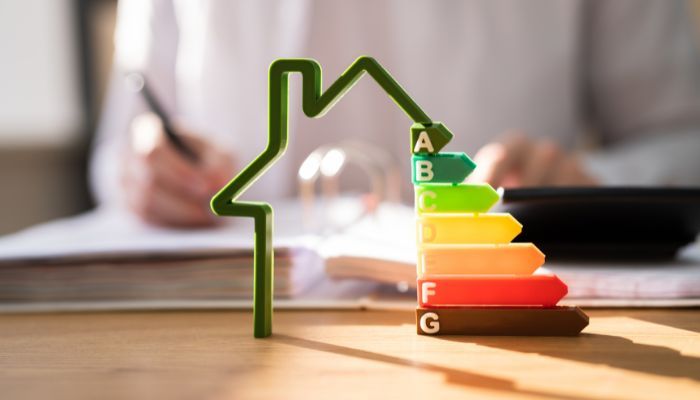
The energy label is responsible for collecting the energy characteristics of the different household appliances and devices that consume energy. It provides the consumer with information on the energy efficiency of the product, such as noise emissions, heat or water consumption. The energy efficiency of these products is classified according to a scale of letters and colours that define the efficiency of each product from the highest to the lowest.
How is the energy efficiency of housing calculated?
The specific energy consumption is calculated by dividing the energy consumed by the usable floor area of the dwelling. ISO 50001 is one of the main standards used. For this, different indicators are used to measure energy consumptions such as lighting and other services of the dwelling.
How to improve the energy efficiency of housing?
There are several key factors that can help improve a home’s energy efficiency. Many of them are based on the principles of bioclimatic architecture, which aims to make the most of natural conditions to reduce energy consumption and enhance indoor comfort.
Improving the thermal insulation of the building façade
It is important to apply an efficient thermal insulation system to the façade of the building to reduce energy use. This will allow the building to keep the heat in during the winter months and in the summer months to keep the heat out and insulate the building from the heat, keeping the building cooler.
Seals air leaks
Another important factor is the thermal insulation of the windows, depending on the glass and the frame carpentry, as poor insulation of the windows leads to heat loss from the interior.
The colour of the facades and roof
Colour matters, because colour can reduce energy consumption. Especially if the façade or roof is painted white, the heat inside is reduced. In colder countries, however, it is important that facades and roofs are painted in darker colours in order to keep the heat indoors more.
Renovation or upgrading of household appliances
Energy efficiency in the home is also improved by appliances with a good level of efficiency labelling.
Optimise and upgrade your HVAC heating system
On the other hand, in order to obtain greater energy efficiency in the home, it is important to change those air-conditioning systems that were installed before the 1980s. This will reduce CO2 emissions. It is also important to bear in mind that if a home is not optimally insulated, electric heating systems are a great waste of energy.
Commitment to renewable energies
The use of renewable energies saves energy and reduces carbon dioxide emissions.
Importance of energy efficiency in housing
Today, energy efficiency in housing has become a challenge for many countries, as energy consumption in the home accounts for 80% of the energy consumed. Therefore, following the guidelines to improve energy efficiency in the home offers a number of advantages such as:
- Cost savings: In the long run, costs are reduced in the long run by saving on air conditioning, heating, electricity and water.
- Increased comfort: If the house is well insulated, it will provide greater comfort.
- Reduced impact on the environment: by consuming less energy, greenhouse gas emissions are reduced, contributing to climate change.
- Decrease in external energy dependence: energy crises and supply problems are avoided.
How to improve energy efficiency in the home with Magnovent?
At Magnovent we offer different solutions to improve energy efficiency in the home. With these solutions you can increase the value of your home, reduce your carbon footprint and save costs on your bills.
Thermal insulation
At Magnovent we have thermal insulation in the form of paint that keeps the heat inside during the cold months and the air cool during the warmer months. The anti-condensation paint prevents dampness on building surfaces. On the other hand, ceramic thermal insulation paint prevents overheating of ceilings and walls, as it reflects 95% of infrared rays.
HVLS fans
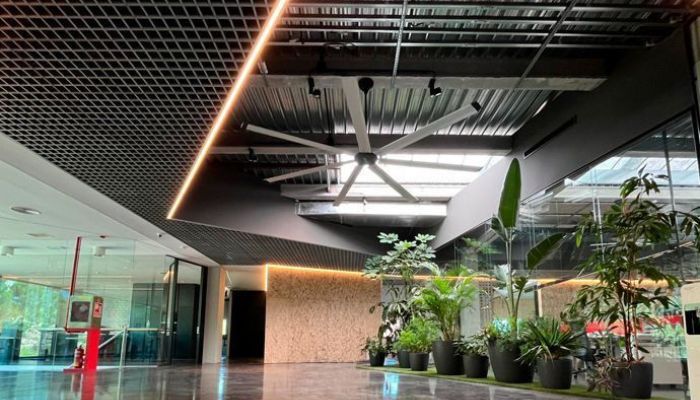
At Magnovent, we have always been pioneers in the distribution of HVLS fans in Europe. With the installation of these fans, the power, resources and energy costs of traditional HVAC systems can be reduced by 25%. The use of HVLS fans offers:
- Improved air quality and maintenance of materials
- Lower energy consumption
- Improving the performance of HVAC systems
