
For some time now, energy efficiency has become an essential factor when looking for ventilation and climate control solutions. Energy savings with intelligent climate control systems play a very important role in energy efficiency, as they significantly reduce energy consumption costs without sacrificing thermal comfort. In this article, we will talk about how intelligent climate control systems contribute to environmental care and cost reduction.
People are becoming increasingly aware of the importance of improving energy efficiency at home, to reduce energy consumption, save money and minimize environmental impact. As a result, both homes and industrial facilities are becoming more energy-efficient, and one of the best ways to achieve this is through the use of smart home and building automation systems.
What is the Internet of Things (IoT) and how does it impact energy savings?
The Internet of Things (IoT) refers to the digital connection of everyday physical objects to the Internet, which allows greater connectivity between the object and the user. This connectivity enables users to collect, share, and act based on real-time data. Climate control equipment, lighting, or household appliances can communicate with each other via mobile devices or computers, making their daily use more efficient. In addition, thanks to the automation and remote control that IoT offers in household or business equipment, energy resources are optimized.
On the other hand, IoT also offers detailed data collection on energy consumption, allowing patterns to be detected, inefficiencies to be corrected, and sustainable decisions to be made. This not only increases thermal comfort and convenience but also reduces long-term costs.
Advantages of having home automation systems in smart homes
Home automation systems are a set of installations or technological equipment aimed at controlling and automating a property to increase the quality of life of its inhabitants. Some of the advantages of this type of system are:
- Improve comfort and convenience: automation allows you to control climate control, lighting, blinds, or appliances from a single mobile device or voice assistant. Home automation systems can create personalized scenarios such as “night mode” or “focus mode,” in which different elements of the home are automatically adjusted to your routines or preferences.
- Increase security: home automation systems mostly integrate video surveillance cameras, motion sensors, alarms, smoke detectors, and leak detectors. In case of accidents, devices send instant notifications and activate automatic protocols, even if you are away from home or the office.
- Ease of management: all devices can be managed centrally and remotely through intuitive applications that allow you to obtain consumption data, modify settings, schedule routines, and receive personalized alerts. This makes it easier to operate devices in a home without requiring advanced technical knowledge.
- Energy savings: the greatest advantage of home automation systems is energy savings. Thanks to their precision and automation of home systems, energy waste is avoided. This translates into a 30% saving on the electricity bill and also into a lower environmental impact.
In addition, these homes allow you to monitor the different systems to know where and when more energy is consumed, in order to make decisions and adapt resources to achieve the highest possible energy efficiency.
How does home automation help reduce energy consumption?
Automating a home or office not only improves the user or worker experience but also directly impacts energy efficiency. Home automation systems intelligently manage high-energy elements such as lighting, climate control systems, or appliances.
While these types of systems give users great control over efficient management, another major advantage is that they are capable of “learning” on their own, determining where more energy is consumed and how more energy can be saved.
Let’s see how home automation systems allow for the reduction of energy consumption in those aspects of our daily lives where the highest energy use occurs.
Smart lighting to reduce energy consumption
Smart lighting is not only about being able to turn lights on or off from anywhere but goes much further. Home automation lighting systems can also adapt to outdoor sunlight, the room of the home we are in, or who is in that room, creating special lighting profiles that allow consumption to be reduced to the minimum possible.
Among the possibilities, the ability to control light power and intensity stands out, creating specific environments for each room. In addition, they include the control of awnings, blinds, or curtains to make the most of natural light, something that helps reduce energy consumption.
You have surely heard of light bulbs based on LED diodes (Light Emitting Diode). These luminaires reduce consumption by more than 70%. There are also smart LED bulbs that increase that saving up to 85%. In addition, these bulbs can be controlled through a simple application and with the Internet, allowing you to determine remotely aspects such as the turn-on schedule, the amount of outdoor natural light at which they should turn on, or reducing their intensity.
Smart climate control: savings and thermal comfort all year round
40% of the energy bill is used to climate control the home, whether in summer or winter, so the use of smart systems becomes essential in the pursuit of significant energy savings.
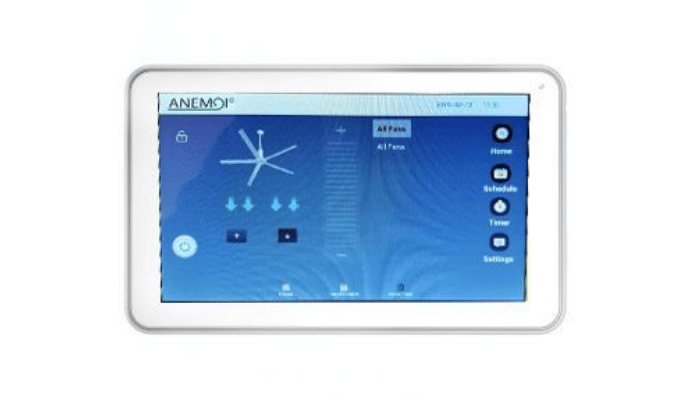
Among these systems, smart thermostats stand out, which adapt the system’s operation to different aspects such as outdoor temperature, time of day, or the user controlling the system. Both our radiant heating systems and the ventilation installations we carry out feature thermostats with the latest technology on the market.
These smart thermostats can be controlled from outside the home so that, upon arrival, the house can be at the right temperature.
Smart climate control systems allow you to set on/off times, generate and detect usage patterns to operate, adapt to your preferences, and anticipate when you will arrive home to have the ideal temperature ready.
All Magnovent products are compatible with home automation systems. The installations we carry out in industries are fully automated to control energy consumption and avoid losses.
Smart appliances for efficient consumption
After lighting and climate control, electrical equipment is the third largest energy consumer in a home, so efficient use can result in significantenergy savings.
In this regard, there are refrigerators that tell you what you can cook or allow you to shop online, ovens and hobs that adapt their operation to what is being cooked, or ovens that can be turned on remotely so that they are ready to operate when you arrive home.
It is also possible to determine (or the system can do it itself) that appliances such as dishwashers or washing machines operate at times when electricity prices are lower or when there are not many other things running, so as not to trip the breakers.
Smart technology in Magnovent equipment
In the context of energy transformation and home automation, the ventilation or climate control systems in our catalog are key to achieving efficient, sustainable, and comfortable environments.
HVLS Industrial Fans
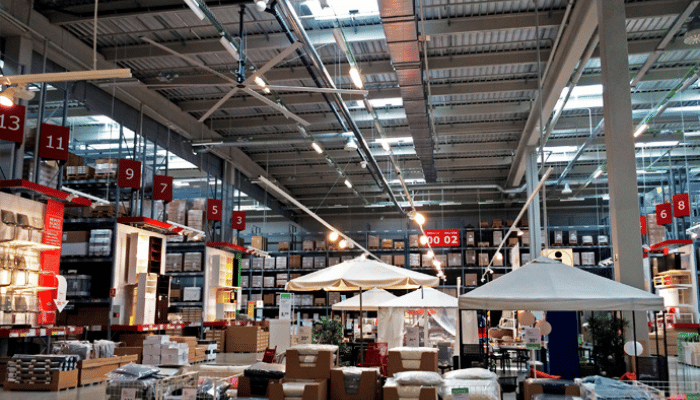
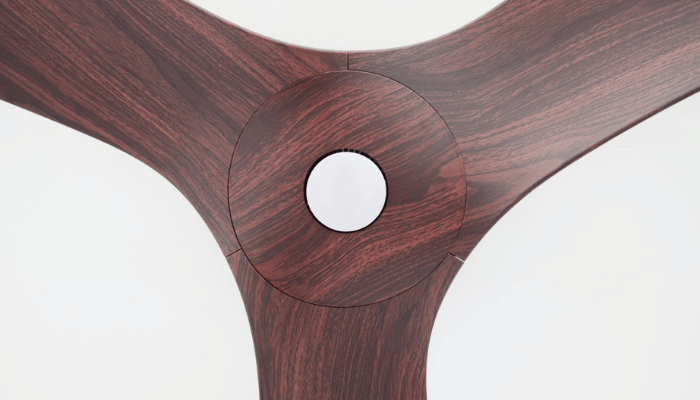
Magnovent’s HVLS industrial fans not only improve air circulation and thermal comfort but also have very low energy consumption. These fans can be easily integrated with home automation systems to automate their use based on ambient temperature, space occupancy, or schedule.
Among the main benefits of HVLS fans are optimized energy consumption, improved air distribution and enhanced thermal comfort in large spaces.
Our radiant heating panels heat spaces evenly without losing heat and can be controlled using smart thermostats.
