
Industrial Heating
Maximum thermal comfort with more efficient energy consumption
Industrial heating solutions for large spaces
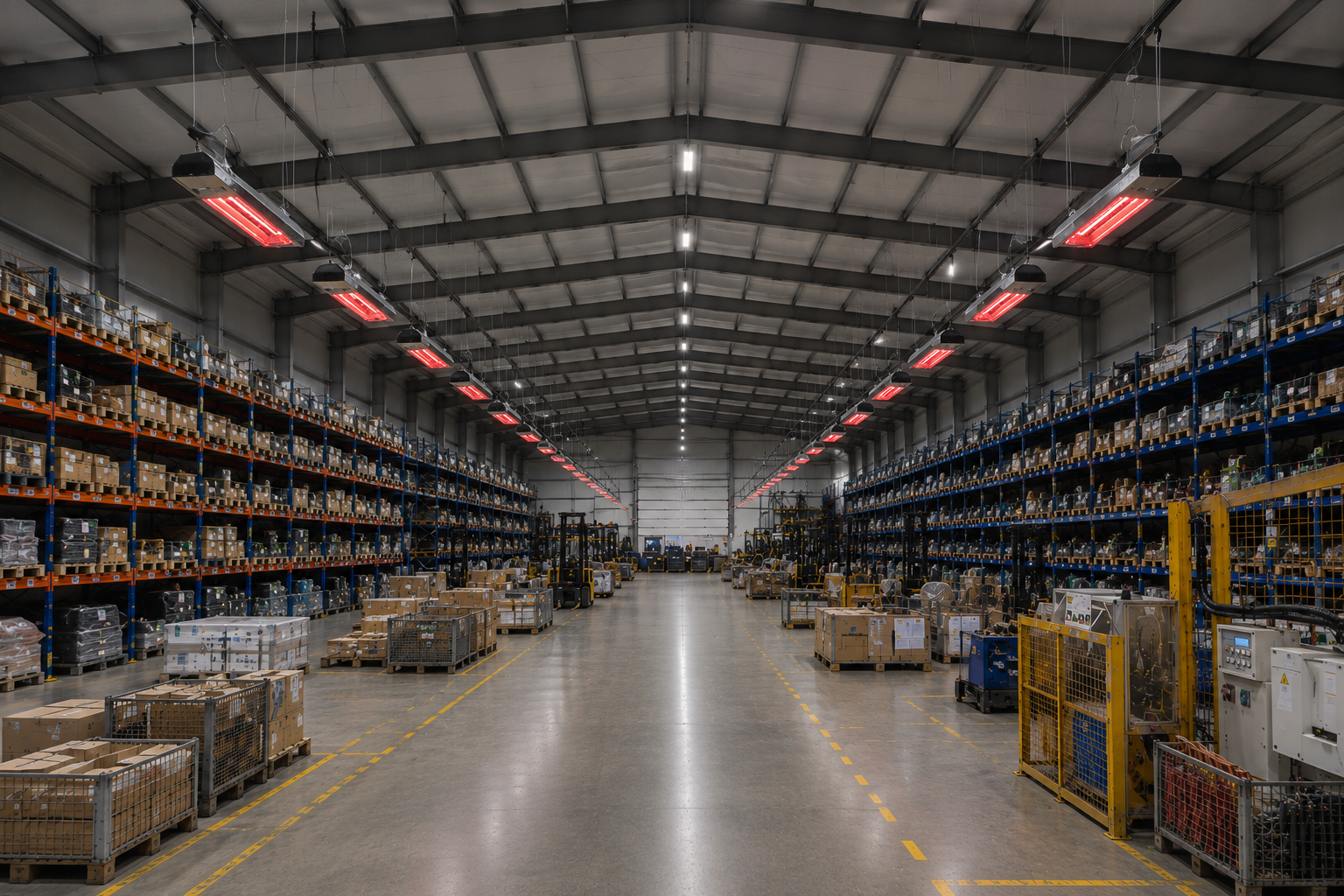
Heating an industrial warehouse in winter is a challenge, especially in open spaces, large-volume buildings or facilities with frequently opened doors. Industrial heating must be able to maintain suitable thermal conditions in large spaces without generating unnecessary energy consumption. Ceiling height, insulation, activity, openings to the outside and the areas that are actually occupied all influence the most efficient way to provide heat.
At Magnovent, we analyse the thermal requirements of each facility to design industrial heating systems tailored to its characteristics while improving energy efficiency. Our goal is to combine radiant heating, solar energy, HVLS fans and intelligent control systems to achieve greater thermal comfort and make better use of the available energy.

What is industrial heating?
Industrial heating encompasses systems designed to maintain suitable thermal conditions in large spaces. An ideal solution for industrial warehouses, storage facilities, workshops and other large buildings. Unlike residential spaces, these facilities have large air volumes, high ceilings and areas with very different thermal requirements.
For this reason, heating a large space does not always mean heating its entire interior volume. Technologies such as radiant heating make it possible to provide heat directly where it is needed. They can also be complemented by other solutions that allow renewable energy sources to be used or improve the distribution of existing heat. Choosing the right complementary systems allows heating to be adapted to the activity, operating hours and occupancy of each space, avoiding the use of energy in areas that do not need to maintain the same thermal conditions. In this way, it is possible to improve comfort and optimise the facility’s energy consumption.
What problems should industrial heating solve?
The characteristics of large buildings can make it difficult to maintain a comfortable temperature and lead to higher energy consumption than necessary. Identifying the source of the problem makes it possible to select a more suitable industrial heating system.
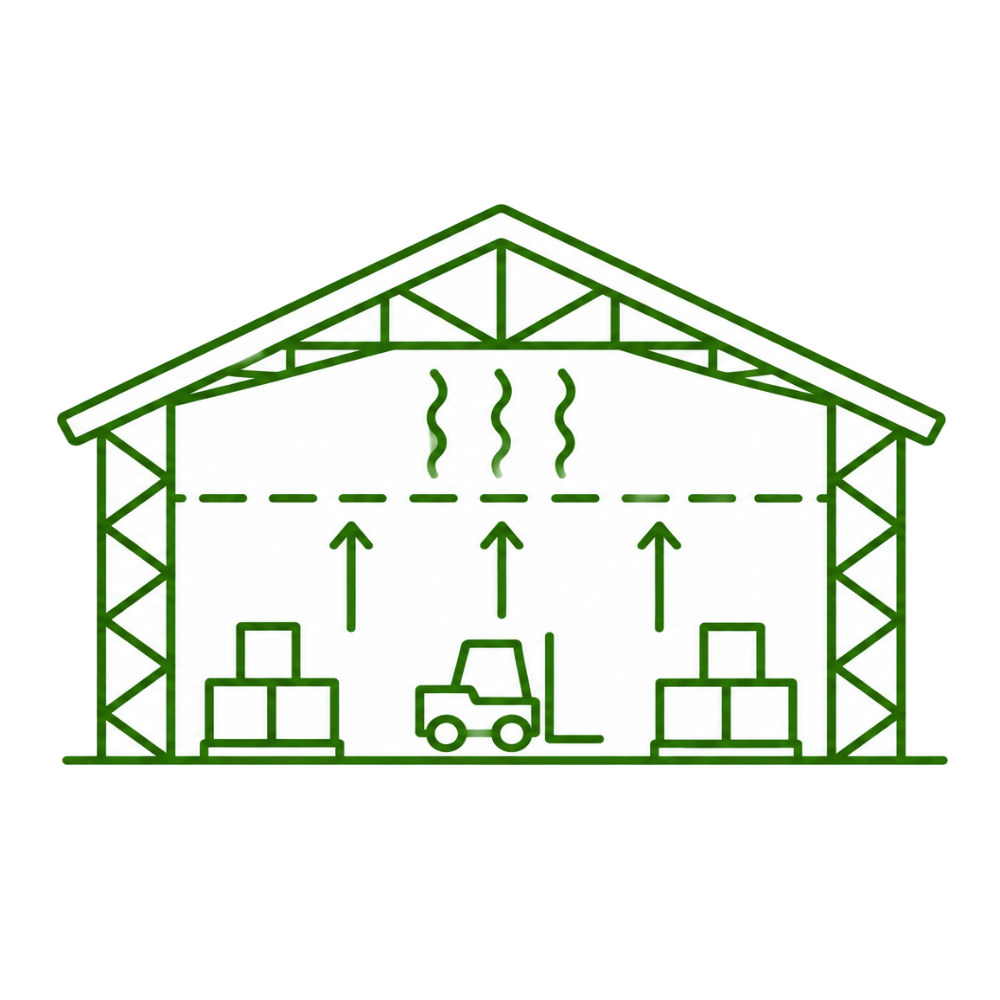
Heat accumulation
In large, high-ceilinged buildings, heating the entire volume can be complex, and warm air may accumulate near the ceiling, far from occupied areas.
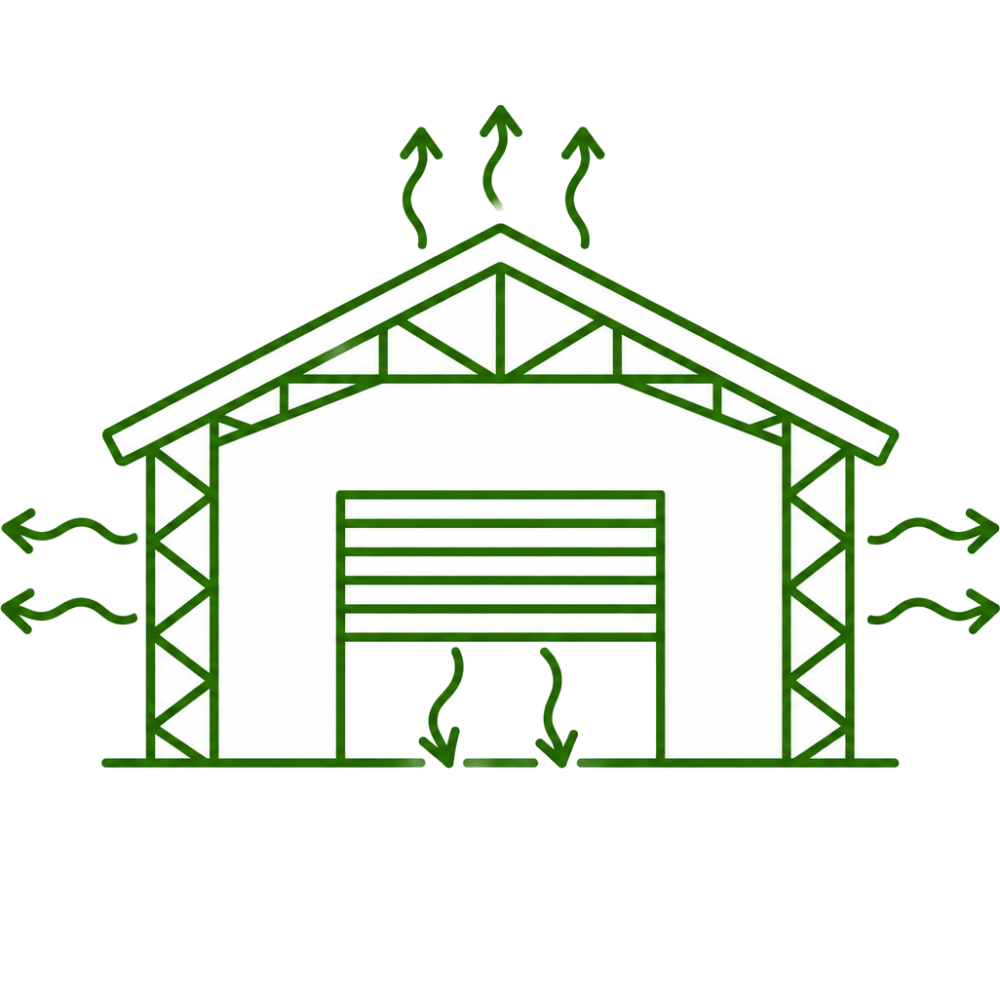
Heat loss to the outside
Frequent door openings, roofs, façades or insufficient insulation can cause significant heat loss during the cold winter months, increasing energy consumption.
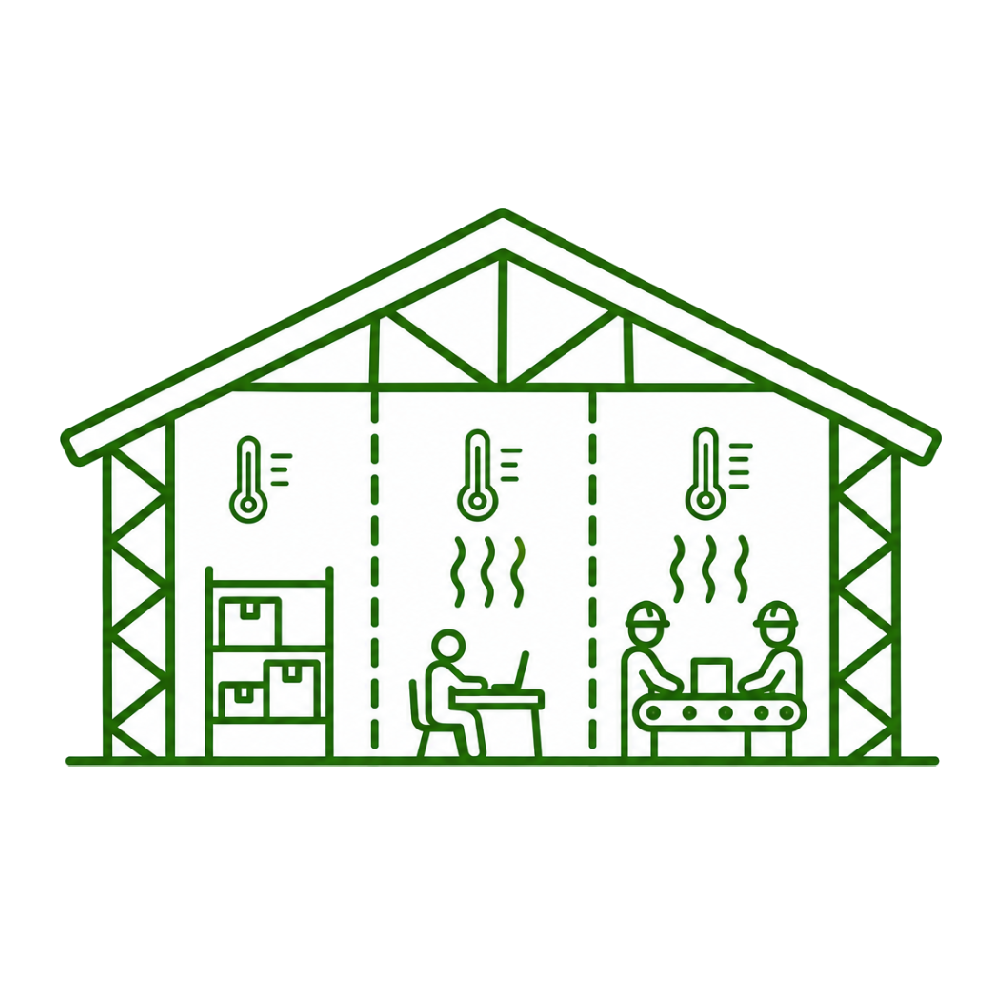
Different heating requirements
A facility may combine production areas, storage spaces and workstations with varying thermal requirements, making uniform heating throughout unnecessary.

High energy consumption
A system that is poorly suited to the building may operate for longer periods or use more energy than necessary to maintain the desired thermal conditions.
Types of industrial heating
There are different types of industrial heating, and choosing the right system depends on the characteristics and requirements of each facility. Surface area, height, insulation, activities carried out, available energy sources and the areas that require heating are some of the factors that must be analysed before defining a solution.
At Magnovent, we mainly work with two industrial heating solutions: radiant heating and solar heating. Both address the thermal requirements of large spaces from different approaches and can be used independently or to complement other existing systems.
Thermal efficiency without drafts for large surfaces.
With our industrial radiant heating technology, heat is emitted directly onto people and objects, avoiding the convection losses typical of hot-air systems. This direct transfer enables considerable energy savings and more precise thermal control, especially in areas such as ceilings, walls, or strategic architectural elements.
At Magnovent, we offer electric and gas radiant heating system, with adjustable output and fast response times. These solutions allow heat output to be adapted to the needs of industrial, logistics or commercial environments, promoting greater temperature control and more efficient energy use.


Harness the sun’s energy to heat your ship.
Our solar heating systems generate hot air from solar radiation, with no electricity consumption or emissions. Integrated fans distribute air evenly throughout the building, ensuring clean, sustainable, and low-maintenance climate control.
It can be installed as a standalone industrial heating system or as a complement to other technologies (heat pumps, generators, or radiant heaters), reinforcing the low-energy industrial building heating strategy.
Reduces heat loss and improves comfort year-round.
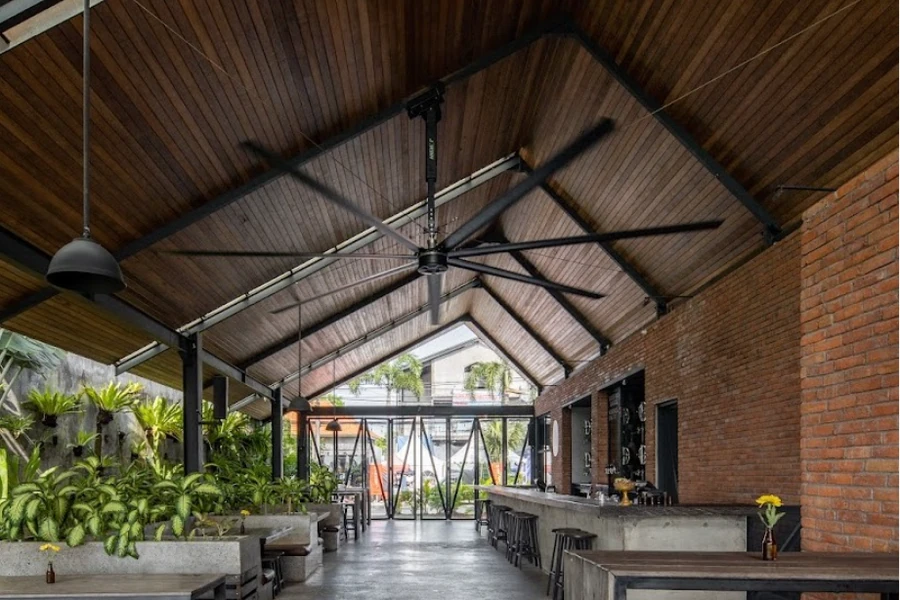
In any heating system, hot air tends to accumulate in the upper layers of the building. HVLS (High Volume, Low Speed) fans redistribute that air toward the floor, breaking thermal stratification and reducing heating needs by up to 30%.
This technology can be combined with any industrial heating system to maximize thermal comfort 365 days a year. Their electricity consumption with HVLS industrial fans is low (about €1 per day), and in the summer, they reduce perceived temperature by 2 to 6°C, improving comfort without the need for additional cooling systems.


Comfort and design for commercial and professional spaces.
In hotels, offices, shops, or homes, electric radiant industrial heating panels offer an efficient, silent, and esthetically pleasing alternative to conventional systems.
These industrial radiant heating panels transmit heat directly to people and nearby surfaces, creating a comfortable thermal sensation without the need to move large volumes of air.
At Magnovent, we offer a wide range of radiant panels for ceiling or wall mounting, with various power outputs and finishes adaptable to any architectural project. They are easy-to-install systems that require no complex maintenance and can transform any room into a space of stable and efficient thermal comfort.
Benefits of efficient industrial heating
A correctly selected and sized industrial heating system makes it possible to maintain suitable thermal conditions in large spaces and make better use of the energy consumed. Its main benefits include:
Greater thermal comfort
Helps maintain more suitable temperature conditions in occupied areas, improving overall thermal comfort for workers and users during the colder winter months.

Lower energy consumption
Adapting heat output to the facility’s actual requirements helps avoid unnecessary energy consumption and make better use of the available energy used for heating.
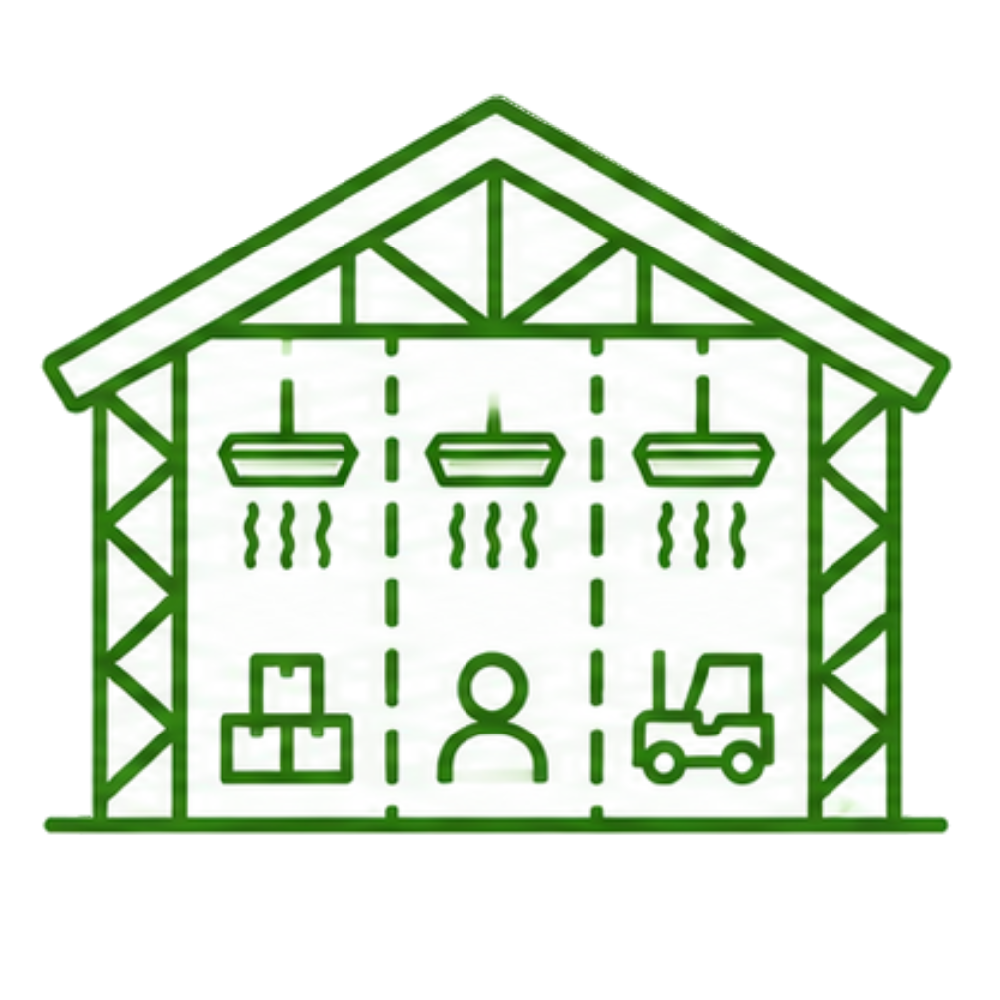
Heating adapted to each area
Allows individual workstations or specific areas to be prioritised, avoiding unnecessarily heating spaces with different thermal requirements in the same way.
Better installation control
Regulation by schedules, temperatures or zones allows equipment operation to be adapted to actual activity and reduces unnecessary operating periods.
Why choose Magnovent for your industrial heating project?
Choosing an industrial heating system requires understanding the building’s thermal requirements before determining which technology and heating capacity to use. At Magnovent, we study each project to develop a solution adapted to its characteristics.
- Specialised technical advice: We analyse the facility’s thermal requirements before recommending equipment.
- Different heating technologies: We work with electric and gas radiant heating solutions, as well as solar heating systems.
- Solutions adapted to large spaces: We take into account surface area, height, insulation, activity and occupancy levels
- Integration with existing systems: We study how to complement the installed climate control systems to improve their performance.
- Energy optimisation: We can combine heating with HVLS fans, insulation and control systems.
- Support throughout the project: We advise you from the initial analysis through to the selection and implementation of the solution.

Efficient industrial heating with Magnovent in numbers
The efficiency of an installation does not depend solely on generating heat, but also on distributing it correctly and making better use of the available energy. These figures show the impact that some of the solutions used by Magnovent can have on improving thermal comfort throughout the year.
Up to 30%
lower heating requirements with HVLS fans
3 sources
electric, gas and solar industrial heating solutions
365 days
thermal comfort throughout the year
Magnovent solutions to optimise industrial heating
At Magnovent, we understand the importance of having an efficient industrial heating system. For this reason, in addition to selecting how heat is generated, we analyse how to retain, distribute and control its use through complementary systems.
Some of the bioclimatic solutions we use to maximise energy efficiency include:

Do you need to find the right industrial heating system?
Our technical team will analyse the characteristics of your building, the areas that require heating and the existing systems to recommend the most suitable solution. The objective is to avoid oversized equipment, adapt heat output to the facility’s actual requirements, and optimise energy consumption and costs.
Contact our technical team, and we will help you select an efficient industrial heating solution, sized according to the characteristics of your project and compatible with other systems when necessary.
Would you like to implement bioclimatic solutions in your building or industrial facility?
Our technical team can advise you with no obligation.
Frequently asked questions about industrial heating
Tips and resources on industrial heating
Would you like to learn more about how different industrial heating systems work? On our blog, you will find content about radiant heating, energy efficiency, climate control for large spaces and solutions to optimise the thermal performance of industrial warehouses and buildings.
Explore our latest articles and discover new ways to achieve a more efficient industrial climate control system adapted to the needs of your facility.


Do you want to improve the thermal comfort of your facility this winter? Contact Magnovent and design a custom, efficient radiant industrial heating solution.
